Poodle SVG, DXF, EPS, JPG, PNG: A Versatile Digital Asset for Creative and Professional Workflows
When working on design projects, marketing materials, or digital assets, having access to high-quality vector and raster files is essential. The Poodle SVG, DXF, EPS, JPG, PNG file set provides a comprehensive collection of formats that can be used across various platforms and tools. This article explores how this digital product fits into creative and professional workflows, the benefits it offers, and practical tips for integrating it effectively.
Understanding the File Formats Included
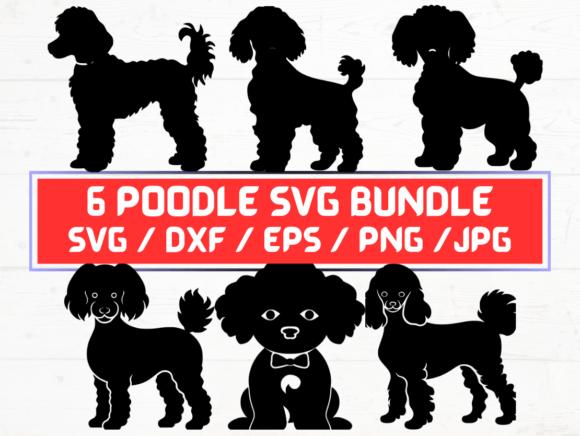
The Poodle SVG, DXF, EPS, JPG, PNG package includes six files in each format, all bundled in a ZIP folder for instant download. Each format serves a different purpose depending on the use case:
- SVG (Scalable Vector Graphics): Ideal for web-based designs, logos, and illustrations that need to scale without losing quality.
- DXF (Drawing Exchange Format): Commonly used in CAD software for engineering, architecture, and manufacturing applications.
- EPS (Encapsulated PostScript): A vector format suitable for print media, ensuring crisp lines and scalable graphics.
- JPG (Joint Photographic Experts Group): Best for photographs and complex images with rich color gradients.
- PNG (Portable Network Graphics): Offers transparency and is widely used for web graphics, icons, and digital illustrations.
By providing multiple file types, this package ensures compatibility with a wide range of design software, including Adobe Illustrator, CorelDRAW, Inkscape, and more. It also supports both vector and raster workflows, making it a versatile asset for professionals and hobbyists alike.
How to Use Poodle SVG, DXF, EPS, JPG, PNG in Your Workflow
The Poodle SVG, DXF, EPS, JPG, PNG file set can be integrated into your workflow at various stages, from initial planning to final execution. Here are some practical scenarios where these files might come in handy:
1. Design Phase – Creating Visual Assets
During the design phase, you may need a consistent visual element such as an icon or graphic. The SVG and PNG files allow for easy customization in design tools like Adobe Illustrator or Figma. The transparent background in PNG files makes them ideal for overlaying on websites or social media posts without unwanted white spaces.
If you're using CAD software for architectural or engineering projects, the DXF format will be particularly useful. It allows for precise measurements and seamless integration with other technical drawings.
2. Development Phase – Preparing for Web or Print
Once the design is finalized, the next step often involves exporting the visuals for use in different mediums. For web development, SVG and PNG files are preferred due to their scalability and support for transparency. The 300 dpi resolution in PNG files ensures high-quality output for print media, while the JPG format is suitable for photographs or images with complex color transitions.
For print production, EPS files are commonly used because they maintain quality at any size. This makes them ideal for business cards, brochures, and signage.
3. Marketing and Content Creation
Content creators, bloggers, and marketers can benefit from the versatility of these files. SVGs can be embedded directly into HTML pages for responsive web design, while PNGs are great for social media banners or email headers. The ability to use these files across different platforms ensures consistency in branding and messaging.
Entrepreneurs launching new products can use these graphics for packaging, website mockups, and promotional materials. The availability of multiple formats means that the same image can be adapted for different purposes without compromising quality.
Practical Tips for Working with Poodle SVG, DXF, EPS, JPG, PNG
To maximize the value of the Poodle SVG, DXF, EPS, JPG, PNG file set, consider the following best practices:
- Organize Your Files: Create a dedicated folder for each project and subfolder for different file types. This helps maintain clarity and reduces the risk of using the wrong format by mistake.
- Check Compatibility: Before starting a project, verify which software you'll be using and ensure that the required file format is supported. Some programs may not handle certain extensions well.
- Use Layers and Groups: When editing SVG or EPS files, take advantage of layers and groups to keep your design organized. This makes it easier to make changes or reuse parts of the design in future projects.
- Optimize for Performance: If using SVGs on a website, optimize them to reduce file size without sacrificing quality. Tools like SVGOMG can help with this process.
- Backup Your Files: Since this is a digital product, always store backups in secure locations. Cloud storage services like Google Drive or Dropbox can be useful for this purpose.
By following these tips, you can streamline your workflow and ensure that the Poodle SVG, DXF, EPS, JPG, PNG files are used efficiently and effectively.
Integration with Other Tools and Platforms
The Poodle SVG, DXF, EPS, JPG, PNG files can be easily integrated with a variety of design and productivity tools. Here are a few examples of how they can be used in conjunction with other resources:
- Adobe Creative Suite: Use SVG and EPS files in Adobe Illustrator for advanced vector editing. PNG and JPG files can be imported into Photoshop for photo manipulation or texture overlays.
- CAD Software: DXF files are compatible with most CAD programs, allowing for precise engineering and architectural modeling.
- Web Development Tools: SVG files can be directly embedded into HTML or CSS, while PNGs are commonly used in responsive web design for icons and buttons.
- Social Media Management Platforms: PNG and JPG files are perfect for creating social media content, especially when transparency or high-resolution images are needed.
Whether you're a designer, marketer, educator, or entrepreneur, the flexibility of these file formats makes them a valuable addition to your digital toolkit.
Conclusion
The Poodle SVG, DXF, EPS, JPG, PNG file set offers a comprehensive solution for designers and professionals who require high-quality digital assets across various formats. Its compatibility with a wide range of software and its suitability for both web and print applications make it a versatile resource for creative and business workflows. By understanding how to use these files effectively, you can enhance your productivity, maintain consistency in your work, and deliver high-quality results across different platforms.