Rottweiler Dog SVG: A Versatile Digital Asset for Designers and Creators
The Rottweiler Dog SVG is a digital illustration format that has gained popularity among designers, artists, and creators who need high-quality vector graphics for various applications. As a scalable vector graphic, it maintains clarity and sharpness at any size, making it ideal for both print and digital use. This article explores what the Rottweiler Dog SVG entails, its distinct features, and how it compares to similar formats such as PNG, JPG, and DXF. Whether you're looking to incorporate this design into a project or evaluate your options, understanding its strengths and limitations will help you make an informed decision.
What Is Rottweiler Dog SVG?
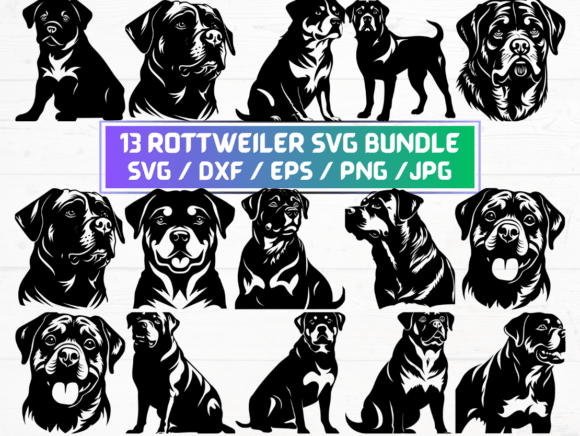
The term "Rottweiler Dog SVG" refers to a digital file format of a Rottweiler dog designed in Scalable Vector Graphics (SVG). Unlike raster-based image formats like JPG or PNG, SVG files are based on XML code, which allows them to scale without losing quality. This makes them particularly useful for logos, illustrations, and icons that need to be used across different platforms and sizes.
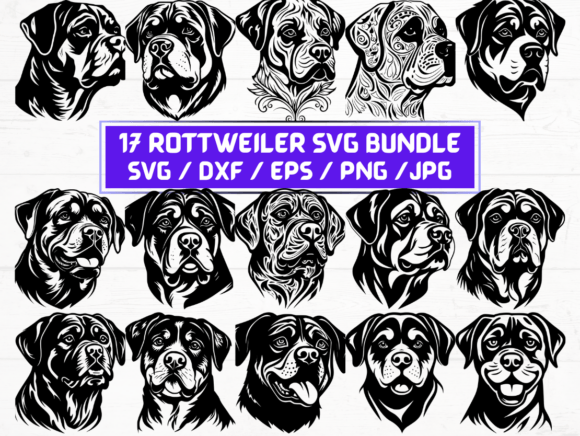
The Rottweiler Dog SVG typically comes with multiple file formats, including PNG, JPG, EPS, and DXF, offering users flexibility depending on their specific needs. For instance, PNG and JPG are suitable for web use, while DXF is commonly used in CAD software for manufacturing or signage purposes. The transparent background feature in PNG files also makes them versatile for overlaying on different designs or backgrounds.
Comparing Rottweiler Dog SVG with Other Formats
While the Rottweiler Dog SVG offers several advantages, it's important to compare it with other common file types to understand when it might be the best choice. Here’s a breakdown of how it stacks up against alternatives:
- PNG Files: PNGs are widely used for digital projects due to their support for transparency and lossless compression. However, they are raster images, meaning they can lose quality when scaled up. In contrast, SVG files maintain crisp edges regardless of size, making them more suitable for large-format printing or responsive web design.
- JPG Files: JPGs are great for photographs and complex images with many colors, but they do not support transparency and are lossy, meaning some image data is lost during compression. SVGs, on the other hand, preserve all details and are better suited for simple, clean illustrations.
- DXF Files: DXF files are primarily used in engineering and architectural fields. They are compatible with CAD software but lack the scalability and ease of editing that SVGs offer. If you plan to use the Rottweiler Dog illustration in a design software or for engraving, DXF may be a good option, but for general creative use, SVG is often preferred.
- EPS Files: EPS is another vector format that is often used for print media. It supports both vector and bitmap data, making it highly versatile. However, EPS files are less common in web development compared to SVG, which is natively supported by most modern browsers.
Each of these formats has its own set of benefits and drawbacks, and the choice depends largely on the intended use case. For example, if you're designing a website or mobile app, SVG is likely the best option due to its compatibility and scalability. On the other hand, if you're working on a printed product or need to integrate the design into CAD software, DXF or EPS might be more appropriate.
Strengths and Tradeoffs of Using Rottweiler Dog SVG
The Rottweiler Dog SVG format has several strengths that make it a popular choice among designers. One of the most significant advantages is its scalability. Because SVG is a vector format, it can be resized without any loss of quality, which is especially useful for creating logos, icons, and illustrations that need to appear sharp on different devices and screen sizes.
Another benefit is the ability to edit the file using vector graphic software like Adobe Illustrator or Inkscape. This means that users can modify the design elements, such as colors, shapes, and text, without compromising the overall quality of the image. Additionally, SVG files are generally smaller in file size compared to high-resolution raster images, which makes them efficient for web use and faster to load.
However, there are also some tradeoffs to consider. While SVG is excellent for simple illustrations and logos, it may not be the best choice for highly detailed or photo-realistic images. Complex images with gradients, shadows, and textures may not render as well in SVG compared to PNG or JPG. Furthermore, not all software supports SVG natively, so users may need to convert the file to another format before using it in certain programs.
When Is Rottweiler Dog SVG the Right Choice?
The Rottweiler Dog SVG is ideal for a variety of use cases, particularly those that require scalability and high-quality visuals. Some common scenarios where SVG is the preferred format include:
- Web Design: SVGs are perfect for creating responsive websites that look sharp on all screen sizes. They can be embedded directly into HTML and CSS, making them easy to integrate into web projects.
- Logo Design: Logos often need to be used in various sizes, from business cards to billboards. SVG ensures that the logo remains clear and professional no matter the scale.
- Mobile App Development: Mobile apps frequently use icons and illustrations, and SVG provides a lightweight yet high-quality solution that works well on different screen resolutions.
- Print Media: Although SVG is primarily used for digital projects, it can also be converted to other formats suitable for print, such as PDF or EPS, ensuring that the design remains crisp and professional.
On the other hand, if you're working with photographic content or need a format that is widely supported across different platforms, PNG or JPG may be more suitable. Similarly, if you're involved in engineering or manufacturing, DXF could be the better choice for integrating the design into CAD software.
Realistic Examples and Practical Comparisons
To illustrate the practicality of using Rottweiler Dog SVG, consider a scenario where a designer needs to create a logo for a pet-related business. Using SVG would allow the designer to ensure that the logo looks sharp on everything from a small social media profile picture to a large banner ad. In contrast, if the same logo were created in PNG, it might appear pixelated when scaled up, leading to a less professional appearance.
Another example is a marketing team looking to create promotional materials for a new product launch. By using SVG for illustrations and icons, the team can easily adjust the design elements to fit different layouts and formats without worrying about image quality. This flexibility is one of the key reasons why SVG is a go-to format for many designers and developers.
In comparison, if the marketing team needed to use the design in a CAD program for signage or product packaging, they might opt for DXF instead. This highlights the importance of choosing the right format based on the specific requirements of the project.
Ultimately, the Rottweiler Dog SVG is a powerful tool for anyone working with digital illustrations, logos, and icons. Its scalability, editability, and compatibility with modern web technologies make it a valuable asset in today's design landscape. However, it's essential to weigh its strengths and limitations against other formats to determine the best fit for your particular needs.