Spider Web SVG File Formats Explained
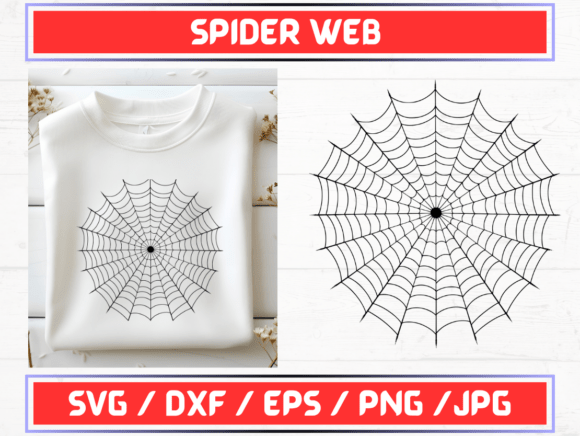
Spider web designs are versatile and widely used in various creative fields, from digital art to commercial printing. Whether you're designing a logo, creating a printable craft template, or preparing vector graphics for professional use, having access to multiple file formats can make all the difference. The Spider Web SVG. DXF. EPS. JPG. PNG package offers a comprehensive set of files tailored for different needs and platforms.
This downloadable product includes five high-quality files in a ZIP folder: one SVG, one PNG (300 dpi with transparent background), one DXF, one JPG, and one EPS. These files are perfect for anyone looking to integrate spider web imagery into their projects without the hassle of converting formats manually.
Understanding the File Formats
Each file format serves a unique purpose and is best suited for specific applications. Understanding these differences can help you choose the right file for your project.
- SVG (Scalable Vector Graphics): Ideal for digital use, such as website graphics or mobile app icons. SVGs maintain quality at any size, making them great for logos and illustrations that need to scale without losing clarity.
- PNG (Portable Network Graphics): Offers high-quality images with transparency support. This makes it ideal for use on websites or in graphic design software where a transparent background is needed.
- JPG (Joint Photographic Experts Group): Best for photographs or complex images with gradients and textures. It's commonly used for print and online display due to its widespread compatibility.
- DXF (Drawing Exchange Format): A standard for CAD (Computer-Aided Design) software. DXF files are useful for engineers, architects, and designers who work with technical drawings and blueprints.
- EPS (Encapsulated PostScript): Often used in professional printing environments, EPS files are scalable and suitable for high-resolution output like posters, banners, and signage.
Why Different Audiences Care About Spider Web Files
The versatility of the Spider Web SVG. DXF. EPS. JPG. PNG package means it appeals to a wide range of users, each with their own priorities and goals.
Beginners and Hobbyists
For those new to graphic design, having multiple file formats can be a game-changer. The PNG and JPG versions offer an easy way to start using the spider web image in personal projects, such as social media posts or DIY crafts. The SVG file allows beginners to experiment with editing tools like Adobe Illustrator or free alternatives like Inkscape.
Professionals and Creators
Designers and illustrators often require high-quality, editable files for client work. The SVG and EPS formats provide the flexibility needed for customizing the spider web design, ensuring it fits seamlessly into larger projects. The DXF format is particularly valuable for those working in architecture or engineering, where precision is key.
Business Owners and Marketers
Entrepreneurs and marketers may find the Spider Web SVG. DXF. EPS. JPG. PNG package useful for branding initiatives. The transparent PNG and scalable SVG files are perfect for creating eye-catching logos or promotional materials that can be used across various digital and print platforms.
Educators and Publishers
Teachers and content creators might use the spider web image as part of educational resources or visual aids. The ability to edit the SVG and EPS files ensures that the image can be adapted to suit different teaching styles or publishing requirements.
Practical Uses Across Industries
The Spider Web SVG. DXF. EPS. JPG. PNG package isn't limited to just one industry—it has practical applications in many areas.
For example:
- A small business owner could use the PNG and JPG files to create branded merchandise like T-shirts or stickers.
- An architect might rely on the DXF file for integrating the spider web pattern into building plans or structural diagrams.
- A blogger might incorporate the SVG file into a website header or infographic to enhance visual appeal.
- A hobbyist could use the transparent PNG file in a scrapbooking project or digital collage.
Choosing the Right Format for Your Needs
Selecting the appropriate file format depends on your specific project requirements. Consider factors such as scalability, transparency, platform compatibility, and intended use when deciding which version to use.
If you're unsure which file to use, think about where the image will be displayed or printed. For digital use, SVG and PNG are excellent choices. For print, EPS and JPG are more reliable. And if you need the image for technical drawings, the DXF format is essential.
Ultimately, the Spider Web SVG. DXF. EPS. JPG. PNG package provides a flexible solution for a variety of creative and professional needs. Whether you're a beginner exploring design or an expert looking for precision, this collection of files offers something for everyone.